National Film Award winner Luciano Castillo had his cell phone stolen in broad daylight, and the Beatle statue no longer has a guard or even glasses.
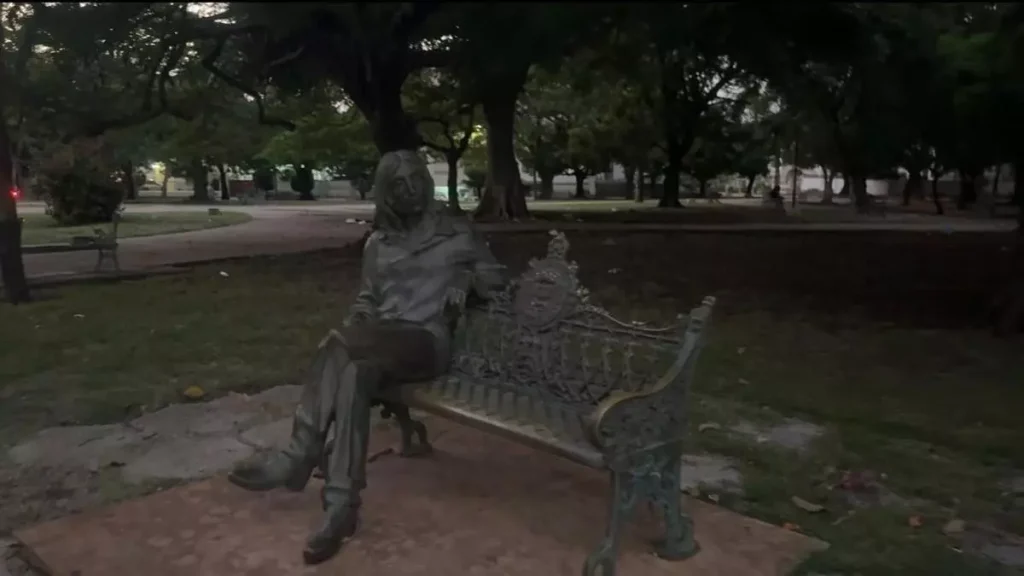
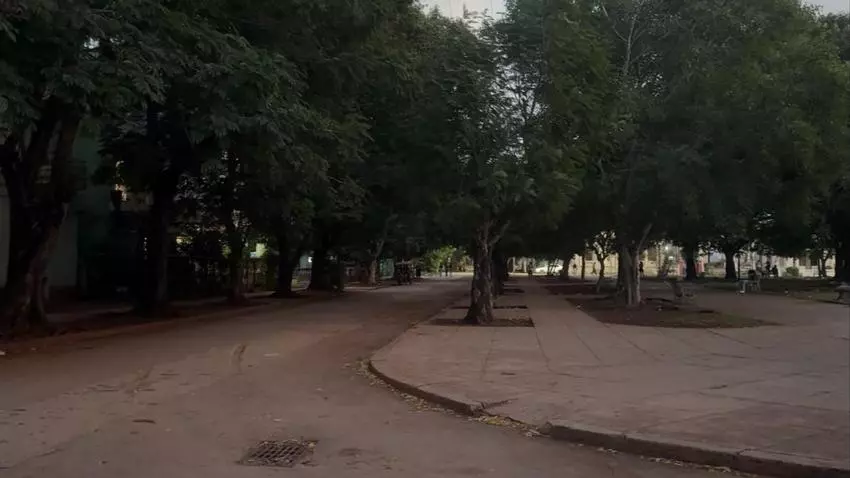
 14ymedio, Havana, Darío Hernández, October 26, 2026 / John Lennon Park, in Havana’s El Vedado district, is no longer the bustling place where young people used to gather and chat until late into the night. On Sunday, shortly before 7:00 p.m., 14ymedio found only a handful of visitors, mainly older people trying to connect to the internet. Under the trees, the paths were beginning to grow dark.
Located on 17th Street, between 6th and 8th, in El Vedado, the park was for years a meeting place for young people and rock fans, as was also the case on nearby G Street (Avenida de los Presidentes). Now, the interminable power outages, which plunge the area into near-total darkness for hours and facilitate criminal activity, have turned it into a place many prefer to avoid.
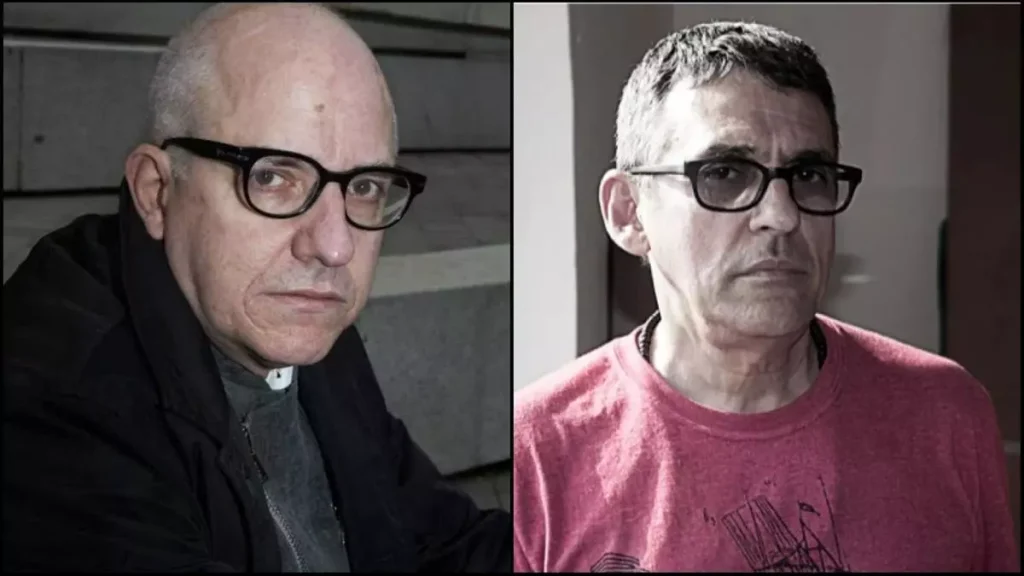
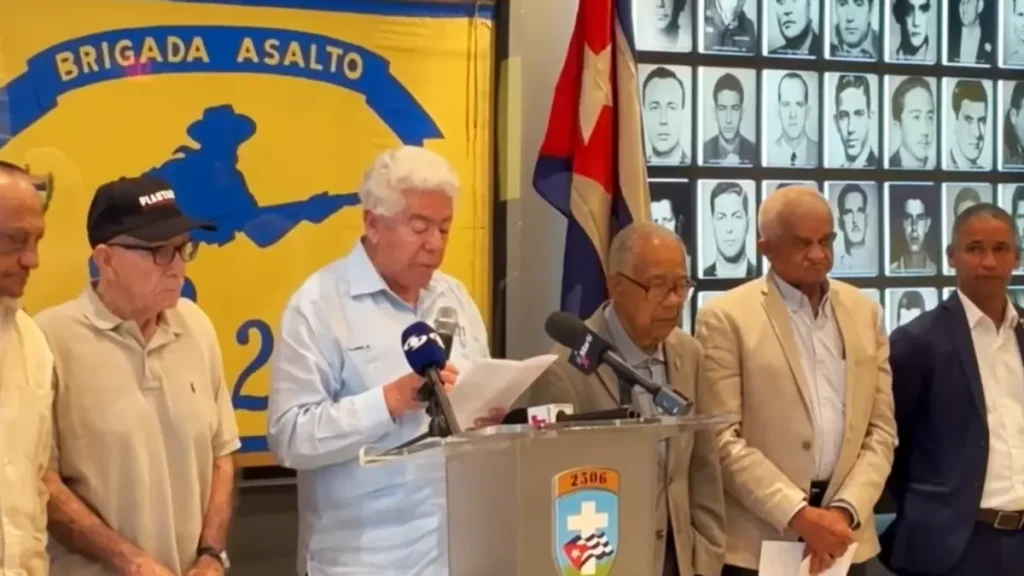
Last week, film critic and researcher Luciano Castillo, winner of the 2026 National Film Award and director of the Cuban Film Archive, had his phone stolen in the park, according to 14ymedio. The act occurred during the day. Castillo filed a police report. According to sources close to the case, he was told at the police station that 15 other robberies had been reported in the area that same day. continue reading
Last week, Luciano Castillo, winner of the 2026 National Film Award and director of the Cuban Film Archive, had his phone stolen in Lennon Park.
An elderly woman told 14ymedio that about a month earlier, her cloth purse had been slashed while she was shopping at the farmers market next to the park in the morning, although none of her belongings were stolen. The theft was so subtle that she only discovered it when she got home.
During 14ymedio‘s tour of the park, the John Lennon statue was unguarded. However, at the entrance to the Yellow Submarine, staff were watching over the parked motorcycles, a common target for thieves.
Insecurity is spreading to other public spaces on the island, amid the economic crisis, power outages, and deteriorating street lighting. On October 20, 14ymedio documented how thefts of phones, watches, and purses have driven visitors away from Plaza de la Vigía in Matanzas. There, a student recounted having his cell phone snatched in broad daylight, near the Sauto Theater.
Insecurity is spreading to other public spaces on the island, amid the economic crisis, blackouts, and deteriorating street lighting.
In August, a couple from Guanabacoa told this newspaper that two hooded men stole their motorcycle at knifepoint as they were returning home during a power outage. Days later, soldiers were deployed to several locations in the municipality identified by residents as sites of robberies.
Thefts at Lennon Park have a long history, dating back to the statue’s unveiling in December 2000. His glasses were stolen at least twice, prompting authorities to hire security guards who took turns protecting them. One of them, Juan González, carried the glasses in his pocket and placed them on the musician for tourist photos.
Thefts in Lennon Park have a long history dating back to the statue’s unveiling in December 2000.
In March 2018, 14ymedio documented the theft of the glasses again. Now, with no guard in sight during the tour, even the sculpture itself is once again vulnerable to thieves.
On Sunday, the statue was still on its bench, but the crowds that once gathered around it were gone. The park still bears the name of the British musician and the memory of those youthful gatherings, although fewer and fewer people are willing to stay as evening falls.
______________________
COLLABORATE WITH OUR WORK: The 14ymedio team is committed to practicing serious journalism that reflects Cuba’s reality in all its depth. Thank you for joining us on this long journey. We invite you to continue supporting us by becoming a member of 14ymedio now. Together we can continue transforming journalism in Cuba.